Any questions?

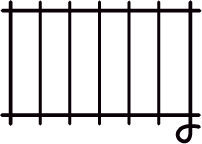


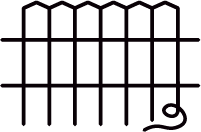







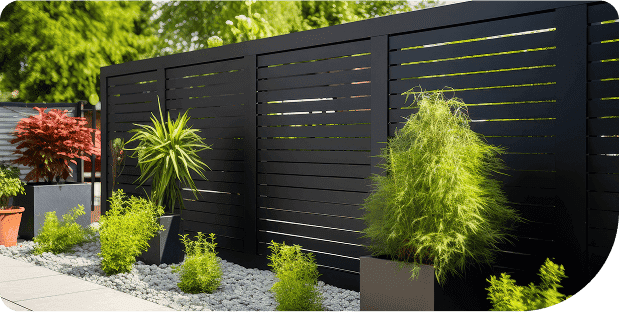
Composite fencing combines the look of wood with virtually no maintenance, thanks to its blend of wood fibers and resin. Aluminum fencing stands out for its superior durability, minimal upkeep, and wide range of color options, though it does require a higher initial investment. Your choice will mainly depend on the style you want and your budget: composite offers a warm, wood-like appearance at a moderate price, while aluminum is valued for its longevity and premium finish.
If you need a simple rule: for a natural wood look without the hassle, composite is the best balance. For a high-end fence that lasts for decades and can be customized in color, aluminum is the top choice.
What really sets these two materials apart?
Composite fencing is made from recycled wood fibers bonded with plastic resin, molded into boards or panels. It mimics the look of wood but offers better resistance to moisture and insects. Aluminum fencing uses powder-coated metal profiles, usually assembled as panels or horizontal slats, and is known for its corrosion resistance and long-term stability—even in extreme weather.
These material differences explain most of the variations in price, weight, and long-term performance between the two options.
Detailed comparison
Criteria
Composite fence
Aluminum fence
Average price per linear foot
Approx. $45–$100
Approx. $80–$165
Maintenance
Very low (occasional cleaning)
Almost none (no treatment needed)
UV and fade resistance
Good, may develop a slight patina
Excellent, color remains stable over time
Moisture resistance
Very good
Excellent (will not rust)
Weight
Fairly light
Lightweight
Color options
Limited (wood tones and gray)
Very wide (custom RAL colors available)
Average lifespan
10 to 20 years
25 to 30 years
Recyclability
Partial (composite blend)
High (aluminum can be recycled indefinitely)
When to choose each option
Composite fencing is a good fit if:
• You want a warm, natural wood look without the maintenance.
• Your budget is moderate and you want to keep upfront costs down.
• You prefer classic wood tones (gray, brown, teak).
• You value using a material that contains some recycled content.
Aluminum fencing is a good fit if:
• You want a fence that stays looking new for decades with no maintenance.
• You need a specific color to match your home or gate (custom RAL colors).
• Your property is in a humid or coastal area where corrosion resistance is important.
• You're willing to invest more upfront to save on long-term costs.
What does it really cost for a typical yard?
For a 5,400 sq. ft. yard needing about 200 linear feet of fencing, not including a gate:
• Composite fence: $2,400 to $5,400 for materials, installation not included.
• Aluminum fence: $4,200 to $9,000 for materials, installation not included.
The price difference mainly comes from the raw material and manufacturing process (extrusion and powder coating for aluminum vs. molding for composite). Over the long term, aluminum can be more cost-effective due to its longer lifespan and virtually no maintenance or need for replacement.
Frequently asked questions
Does composite fencing fade over time? It may develop a slight patina from sun exposure, especially in the first year, but then stabilizes. Quality composites include UV inhibitors to minimize this effect.
Is aluminum more prone to dents than composite? No, aluminum holds up well to everyday impacts in residential settings, though it can deform under a strong hit, while composite tends to absorb minor bumps a bit better without showing marks.
Can you paint an aluminum fence after installation? It's usually not necessary or recommended: the original powder coating is designed to last without repainting. If needed, you can repaint, but it won't be as durable as the factory finish. Is composite more eco-friendly than aluminum? It depends on your criteria.
Composite uses recycled wood waste but is harder to recycle at end of life. Aluminum takes more energy to produce, but can be recycled endlessly without losing quality.
Which option needs the least maintenance? Aluminum, hands down: just rinse with water. Composite may need a deeper clean now and then to prevent moss or green buildup in shaded areas.